
Understanding consumer rights is crucial for navigating Philadelphia's litigation trends. The city's courts favor consumers in disputes, with class-action lawsuits highlighting their protection. Local protections include state laws like the Pennsylvania UTPA and federal acts such as the CPA. Key trends involve privacy rights violations, unfair business practices, and product liability in e-commerce. Businesses should prioritize transparency and ethical data handling to mitigate risks. Engaging specialized Do Not Call Lawyer Philadelphia services and staying informed about legislative changes are vital for fostering customer trust and minimizing litigation exposure. Effective representation combines legal expertise with dynamic approaches, addressing emerging consumer issues proactively.
Consumer rights litigation plays a pivotal role in shaping fair business practices and safeguarding individual entitlements. In the dynamic legal landscape of Philadelphia, trends within this domain evolve rapidly, reflecting broader societal shifts and consumer behaviors. Understanding these emerging patterns is paramount for both legal professionals and consumers alike to navigate the complexities of modern commerce effectively. This article delves into the current state of consumer rights litigation in Philadelphia, analyzing key trends, challenges, and implications, thereby equipping readers with invaluable insights to stay informed and protect their interests.
Understanding Consumer Rights in Philadelphia: A Foundation
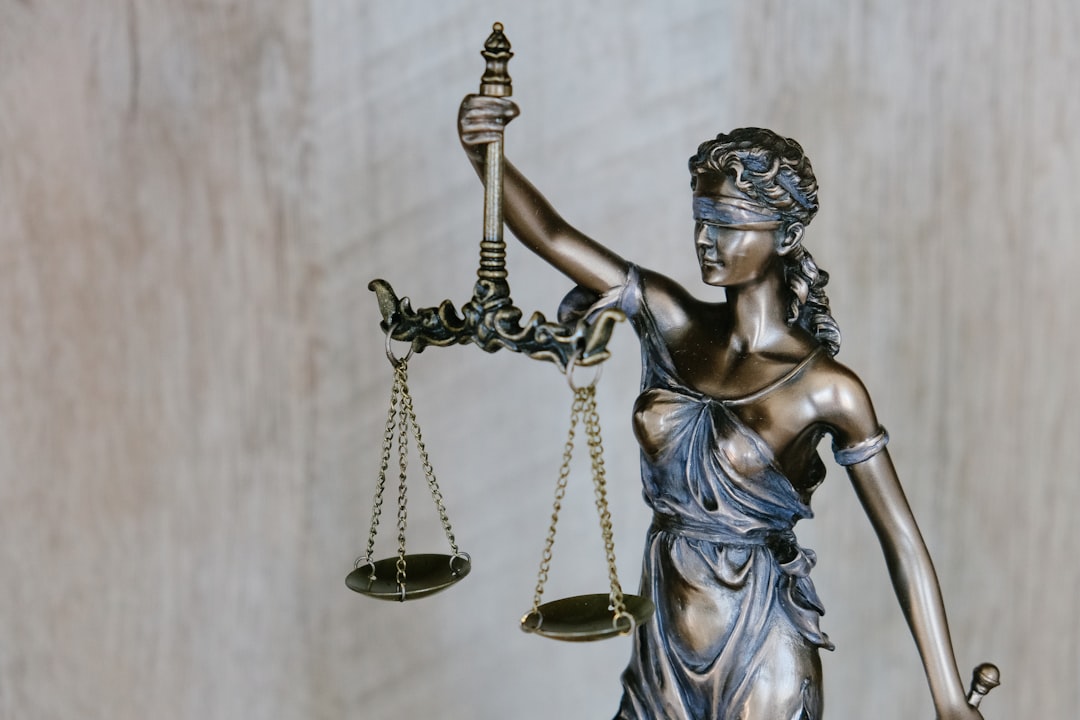
Understanding consumer rights forms a critical foundation for any discussion on litigation trends in Philadelphia. In this bustling metropolis, consumers interact with numerous businesses daily, exposing them to potential legal issues if rights are not adequately protected. The legal landscape is replete with cases where individuals have fought for—and won—substantial compensation due to violations of their consumer rights. This underscores the importance of both awareness and robust protections.
Philadelphia's courts have consistently sided with consumers in various disputes, ranging from unfair business practices to product liability. For instance, a recent trend involves class-action lawsuits targeting large corporations for deceptive marketing strategies. These cases not only provide financial redress but also serve as a powerful deterrent, encouraging businesses to adhere to ethical standards. Data from local legal aid organizations reveals an increasing number of consumers seeking advice on issues like unfair credit practices and faulty product warranties.
Consumers in Philadelphia have several protections at their disposal. State laws, such as the Pennsylvania Unfair Trade Practices Act (UTPA), offer comprehensive guidelines against deceptive or misleading business conduct. Additionally, federal laws like the Consumer Protection Act (CPA) further strengthen consumer rights. Do not call lawyer Philadelphia services are also available for those who require legal assistance in navigating these complex issues.
Practical advice for consumers involves staying informed about their rights and keeping detailed records of any transactions. Maintaining a paper trail is invaluable when disputing charges or seeking compensation for defective goods. Furthermore, consumers should not hesitate to reach out to local legal aid organizations or consult with professionals who specialize in consumer rights litigation. By proactively understanding and asserting their rights, Philadelphia's residents can contribute to a more equitable and transparent marketplace.
Latest Litigation Trends: Uncovering Common Grounds for Suit

In recent years, Consumer Rights Litigation in Philadelphia has witnessed a notable evolution, with emerging trends revealing common grounds for suits. One of the most prominent patterns involves violations of privacy rights, fueled by the digital age. Consumers are increasingly asserting their right to data protection against businesses that mishandle personal information. For instance, a surge in class-action lawsuits has targeted companies for unauthorized use of consumer data, highlighting a growing awareness and willingness to pursue legal action.
Another significant trend centers around unfair business practices, particularly in the realm of contracts. Consumers are more proactive in challenging clauses they deem unlawful or unconscionable. A recent study revealed that complaints to Philadelphia's consumer protection bureau have consistently focused on issues like hidden fees, deceptive marketing, and unequal terms. This shift indicates a heightened legal consciousness among consumers, who are no longer passively accepting questionable business practices.
Moreover, the rise of e-commerce has brought new dimensions to product liability cases. Online retailers face increased scrutiny for selling defective goods or misrepresenting products. A notable trend involves consumers seeking compensation for injuries caused by hazardous items purchased from Philadelphia-based online marketplaces. This trend underscores the importance of strict product safety standards and responsible seller obligations in the digital economy.
To navigate these evolving trends, businesses should prioritize transparency, ethical data handling, and fair contract terms. Engaging legal counsel specializing in consumer rights can help anticipate potential issues and implement robust compliance measures. Staying informed about legislative changes and industry best practices is essential for Philadelphia-based companies aiming to foster trust with their customers and minimize exposure to costly litigation.
Navigating Legal Landscape: Strategies for Effective Representation

Navigating the legal landscape in consumer rights litigation requires a strategic approach to effectively represent clients in Philadelphia. The city's robust legal community presents a diverse range of challenges and opportunities for attorneys handling these cases. One key strategy is to stay abreast of evolving case law and regulatory changes that can significantly impact consumer protection efforts. For instance, recent rulings have clarified jurisdiction over online retailers, empowering consumers with cross-border redress options.
Moreover, leveraging technological advancements is essential. Legal professionals in Philadelphia must adopt digital tools for efficient case management, document discovery, and client communication. This not only streamlines processes but also enhances the overall customer experience. For example, utilizing cloud-based platforms allows access to case files from any location, enabling attorneys to provide timely advice even outside traditional office hours.
Effective representation also demands a deep understanding of consumer behavior and industry trends. Attorneys should stay connected with relevant consumer advocacy groups and academic institutions conducting research in these areas. This knowledge enables them to anticipate client needs and proactively address emerging issues. Additionally, building strong relationships with industry experts can facilitate settlement negotiations and provide valuable insights during trial proceedings. By combining legal acumen with a dynamic approach, Philadelphia-based legal professionals can excel in representing consumers' interests.