
Do Not Call Lawyer Philadelphia highlights the critical role of laws like Pennsylvania's TCPA in protecting residents from unsolicited telemarketing. Strict compliance is essential to avoid substantial fines. The local court system offers a structured process for resolving Do Not Call disputes, emphasizing evidence collection and consumer privacy rights. Consulting with a specialized Do Not Call Lawyer Philadelphia ensures guidance, strong case presentation, and understanding of evolving legal frameworks. Courts enforce violations rigorously, offering remedies including injunctions, monetary damages, and compliance training to deter future infringements.
In the bustling legal landscape of Philadelphia, effective management of Do Not Call cases is a critical aspect of ensuring accessibility and fairness within the justice system. These cases, involving citizens’ rights to be free from unwanted telephone solicitations, present unique challenges for local courts. The intricate navigation of privacy laws, consumer protection regulations, and individual liberties demands meticulous handling. This article delves into the strategies and protocols employed by Philadelphia’s court system to address Do Not Call instances, highlighting the critical role of legal professionals, particularly Do Not Call lawyers Philadelphia, in upholding citizens’ rights while maintaining order.
Understanding Do Not Call Laws in Philadelphia

In Philadelphia, like many jurisdictions, Do Not Call laws are a critical component of consumer protection efforts. These regulations aim to prevent unsolicited phone marketing, offering individuals the right to opt out of receiving sales or promotional calls. Understanding these laws is paramount for both consumers and businesses, particularly those who operate within the legal sector. A significant challenge arises when local courts handle cases involving Do Not Call violations, requiring a nuanced interpretation of the law.
The Pennsylvania General Assembly has established specific guidelines, such as the Telephone Consumer Protection Act (TCPA), which sets standards for telemarketing practices. Violations can lead to substantial fines, making it imperative for businesses—including law firms—to adhere strictly to these regulations. A notable example involves a recent case where a Do Not Call Lawyer Philadelphia successfully argued that a local law firm had violated the TCPA by calling individuals on their do-not-call lists. This underscores the importance of comprehensive training and internal policies to ensure compliance.
To navigate this landscape, businesses should consider implementing robust anti-telemarketing measures. This includes maintaining accurate do-not-call lists, obtaining explicit consent for marketing calls, and providing clear opt-out mechanisms. Engaging the services of a Do Not Call Lawyer Philadelphia can also be beneficial for establishing compliant practices and understanding the evolving legal framework surrounding these regulations. By staying informed and proactive, organizations can protect themselves from legal repercussions while respecting consumer privacy rights.
The Role of Local Courts: A Step-by-Step Process

Philadelphia’s local courts play a pivotal role in adjudicating Do Not Call cases, offering a structured process to resolve disputes between residents and telemarketers. This step-by-step approach ensures that citizens’ rights are protected while providing a legal framework for businesses engaging in telemarketing activities. The journey begins when an individual receives an unwanted call from a telemarketer, prompting them to file a complaint with the local court. Upon receipt, the court assigns a unique case number and notifies both parties involved.
A key aspect of this process involves the collection and evaluation of evidence. Individuals are encouraged to document the calls, including dates, times, and the content of the messages. This documentation becomes crucial during subsequent hearings where both sides present their cases. For instance, if a Do Not Call Lawyer Philadelphia is engaged, they would assist clients in gathering and organizing this evidence effectively. The court then conducts a thorough review, examining whether the telemarketer complied with state laws and regulations pertaining to consumer protection.
If found in violation, the local court has the authority to impose substantial fines on the offending telemarketing company. These penalties serve as a deterrent for future infringements and compensate victims for their annoyance and intrusion. The process concludes with a ruling that can include an order for the telemarketer to cease all calls to the complainant or a broader restriction on their marketing practices within the city limits. This systematic approach ensures that Philadelphia’s residents have a reliable mechanism to protect themselves from unwanted telemarketing calls, fostering a more harmonious and respectful business environment.
Filing a Case: Requirements & Procedures

In Philadelphia, filing a case regarding a “Do Not Call” violation involves a structured process designed to protect individuals from unwanted telemarketing calls. To initiate legal action against a company or individual for making illegal phone calls, citizens must adhere to specific requirements set forth by local courts. The first step is to gather evidence, such as recorded call logs and any communication that confirms the unauthorized nature of the calls. This includes saving voicemails, emails, or text messages related to the incident(s). Additionally, obtaining a “Do Not Call” registration certificate from the Pennsylvania Public Utility Commission (PUC) is crucial; this document serves as proof that the caller had been notified not to contact the recipient.
The filing process typically begins at the Philadelphia Court of Common Pleas, where individuals can submit their case by completing and submitting the necessary legal forms. These forms require detailed information about the parties involved, a description of the incident(s), and any damages incurred due to the illegal calls. It’s essential to include a “Do Not Call” violation notice or letter sent to the caller, which should be dated and signed by the recipient. Once filed, the court assigns a case number and issues a summons, requiring the defendant to appear in court.
When preparing the case, it’s advisable to consult with a Do not call Lawyer Philadelphia. Legal professionals specializing in this area can provide valuable guidance tailored to local laws and regulations. They assist in crafting compelling arguments, ensuring compliance with procedural requirements, and maximizing the chances of a favorable outcome. With their expertise, individuals navigating this legal process can focus on presenting their case effectively while maintaining a strong understanding of their rights.
Evidence & Testimony: Proving Violations
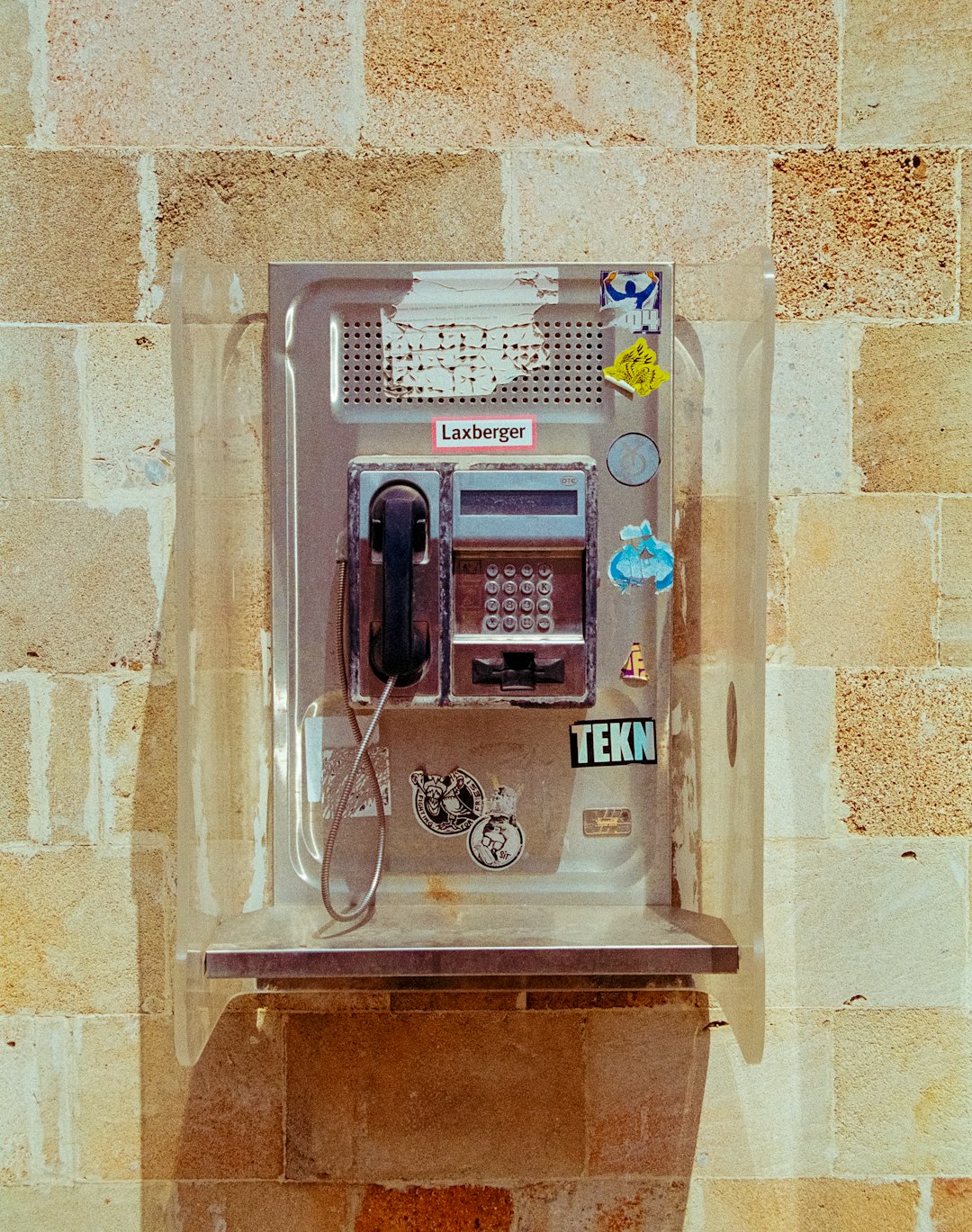
In Philadelphia, local courts employ rigorous procedures to handle Do Not Call cases, emphasizing the importance of robust evidence and testimony to prove violations. This involves a meticulous process where each instance of unauthorized phone marketing must be substantiated through concrete facts and credible witness accounts. For instance, a successful case against a violator might include recorded calls, detailed logs documenting call times and dates, and sworn affidavits from recipients who can attest to the nuisance caused by unsolicited calls.
Expert witnesses play a pivotal role in such proceedings, offering specialized knowledge on telemarketing laws and industry practices. These professionals analyze call data, help interpret technical aspects of phone records, and provide insights into the impact of unwanted calls on consumers. Moreover, court-appointed lawyers, particularly Do Not Call Lawyers Philadelphia, are instrumental in guiding clients through this process, ensuring their rights are protected and evidence presented effectively. They assist in gathering relevant documentation, cross-examining witnesses, and constructing a compelling legal argument to sway the judge’s decision.
Data from recent cases reveals that thorough documentation is key to prevailing in these matters. Courts often rule in favor of consumers when provided with comprehensive records, including call transcripts, screenshots, and detailed accounts of distress caused by persistent calls. Conversely, weak or incomplete evidence may result in dismissals or reduced penalties. Therefore, individuals facing Do Not Call violations should prioritize maintaining meticulous records and promptly consult a qualified Philadelphia Do Not Call Lawyer to bolster their case and achieve a favorable outcome.
Remedies & Enforcement: Protecting Your Rights

In Philadelphia, local courts take Do Not Call cases seriously, recognizing their importance in protecting citizens from unwanted telephone solicitations. When individuals file complaints against violators, the courts offer a range of remedies designed to enforce the law effectively. These include injunctions, which prohibit further calls, and monetary damages to compensate for harassment. A notable example is the case where a Philadelphia resident successfully sued a telemarketing company for repeated calls despite being on the state’s Do Not Call list, resulting in a substantial settlement and a lasting precedent for similar instances.
Enforcement mechanisms are robust, with dedicated units within the court system tasked with investigating complaints. If a Do Not Call violation is established, courts can issue fines ranging from several hundred to thousands of dollars per infraction, depending on the circumstances. The involvement of Do not call Lawyer Philadelphia in these cases is pivotal; legal experts guide clients through the process, ensuring their rights are protected and penalties are commensurate with the harm suffered. For instance, a successful strategy may involve demonstrating emotional distress caused by relentless calls and seeking punitive damages to deter future violations.
Moreover, courts often order violators to attend training programs on compliance, further underscoring the severity of the offense. These measures not only protect individual rights but also contribute to maintaining a peaceful and respectful community. By vigorously pursuing Do Not Call cases, Philadelphia’s judicial system sends a clear message that invasion of personal space through unwanted calls will not be tolerated, empowering residents to take action against infringements.