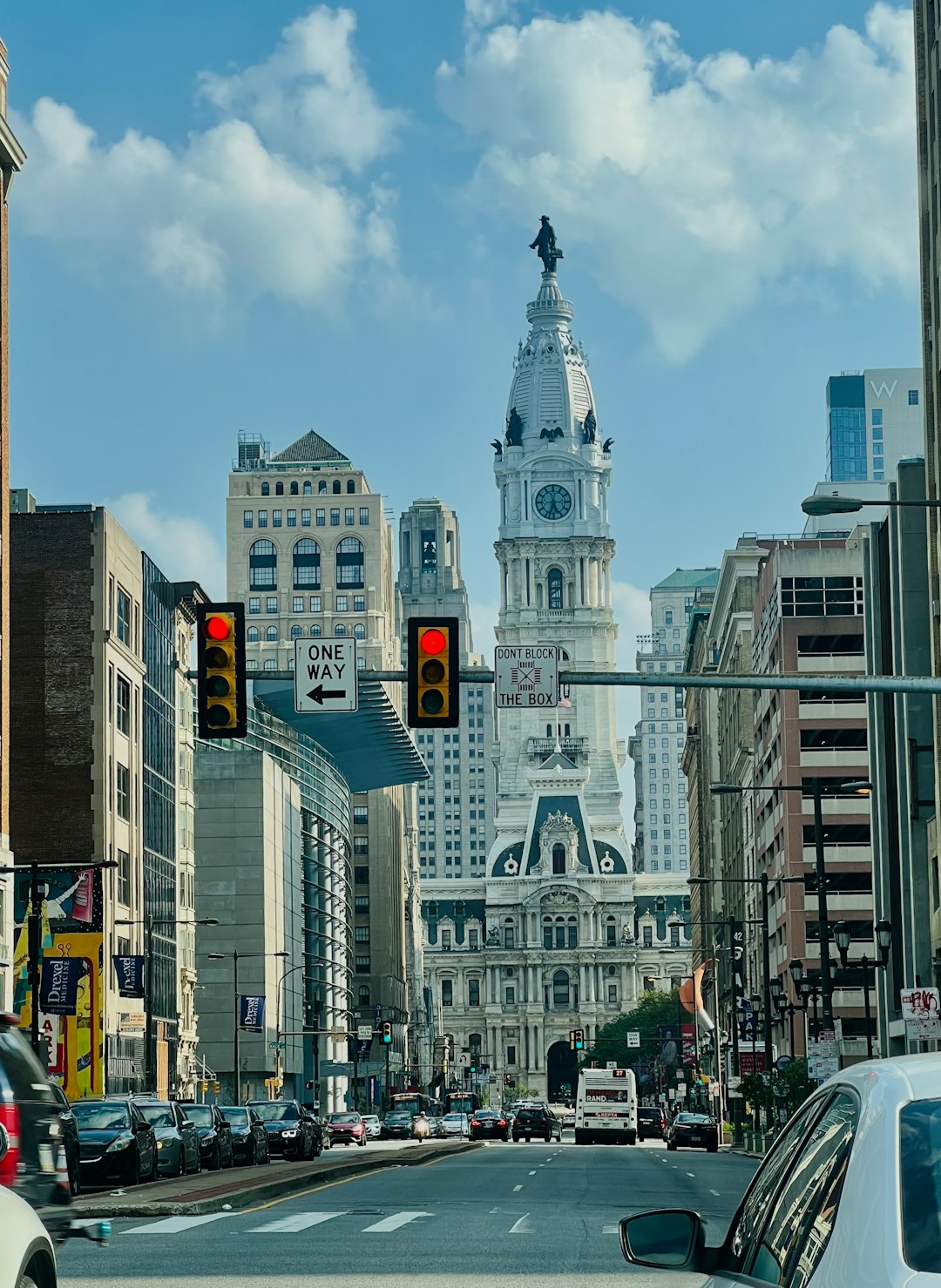
Do-Not-Call Lawyer Philadelphia: A Comprehensive Analysis
Introduction
In the bustling legal landscape of Philadelphia, a specific category of legal practitioners has gained prominence for their specialized services: the do-not-call lawyers. These professionals operate within a unique niche, dedicated to protecting individuals from unwanted solicitations and ensuring compliance with federal regulations. This article delves into the intricacies of do-not-call lawyers in Philadelphia, exploring their significance, the economic implications of their work, technological advancements affecting their practice, and the regulatory framework that governs them. We will also examine case studies, challenges they face, and what the future may hold for this specialized legal sector.
Understanding Do-Not-Call Lawyer Philadelphia
Do-not-call lawyers in Philadelphia specialize in matters related to the Do-Not-Call Registry, a list that allows Americans to choose not to receive telemarketing calls at their registered phone number. These attorneys provide legal advice and representation to clients who have been illegally contacted by telemarketers despite being on the registry, or those facing legal challenges for alleged violations of the Do-Not-Call Implementation Act. They play a crucial role in maintaining the integrity of consumer protection laws and deterring fraudulent activities.
Historically, the Do-Not-Call Registry was established by the Federal Trade Commission (FTC) as per the Telemarketing Sales Rule (TSR), which came into effect in 1994. Since then, do-not-call lawyers have been pivotal in interpreting and applying these laws within the context of Philadelphia's legal framework. They ensure that both consumers and businesses are aware of their rights and responsibilities under these regulations.
Global Impact and Trends
The significance of do-not-call laws transcends national borders, influencing similar legislation worldwide. The European Union's General Data Protection Regulation (GDPR), for instance, grants individuals greater control over their personal data, including the ability to opt out of marketing calls. In Australia, the Do Not Call Register operates similarly to its American counterpart. The global trend indicates a growing recognition of consumers' rights and the need for robust regulations against unwanted solicitations.
Economic Considerations
The economic impact of do-not-call laws is multifaceted. On one hand, these regulations protect consumers from fraudulent schemes and enhance trust in the marketplace, which is essential for a healthy economy. On the other hand, compliance with such laws can incur costs for businesses, particularly small enterprises that may lack the resources to navigate the complexities of telemarketing laws.
Market dynamics are influenced by these regulations, as companies must invest in compliance software and practices to avoid penalties. The role of do-not-call lawyers becomes crucial here, as they help businesses understand and adhere to these legal requirements, thereby contributing to a more stable economic environment.
Technological Advancements
Automation and artificial intelligence (AI) have significantly impacted the realm of telemarketing. Autodialing systems and predictive algorithms are now commonplace, raising new challenges in terms of compliance with do-not-call regulations. Do-not-call lawyers must stay abreast of these technological advancements to provide effective legal counsel.
Moreover, technologies like caller ID spoofing have introduced new forms of deception. Lawyers specializing in this area must understand the technical intricacies to protect consumers from such malpractices. The future of telemarketing technology will likely involve even more sophisticated tools, necessitating a corresponding evolution in legal strategies and regulatory frameworks.
Policy and Regulation
In Philadelphia, as across the United States, do-not-call lawyers operate within a well-defined legislative landscape. The primary regulations are enforced by the FTC, which sets out the rules for telemarketing calls and the Do-Not-Call Registry. These laws are supplemented by state-specific legislation that may impose stricter guidelines or offer additional protections to consumers.
The regulatory framework also includes provisions for civil penalties and criminal charges for violations, which serve as deterrents against fraudulent activities. Do-not-call lawyers play a vital role in navigating this complex legal environment, advising clients on their rights, and ensuring that businesses remain compliant with all applicable laws.
Challenges and Criticisms
Do-not-call lawyers face several challenges, including the rapid evolution of telemarketing technology and the constant emergence of new schemes aimed at circumventing regulations. Additionally, the sheer volume of calls means that enforcement actions can be resource-intensive, requiring significant effort to investigate and prosecute violations effectively.
One criticism of do-not-call laws is that they may be overly burdensome for legitimate businesses, potentially stifling legitimate marketing efforts. Another concern is the potential for abuse of the Do-Not-Call Registry by individuals seeking to avoid legitimate calls from businesses they wish to avoid rather than to prevent fraudulent solicitations.
Case Studies
Several high-profile cases have underscored the importance of do-not-call lawyers in Philadelphia. For instance, a local company was found to have made millions of illegal calls before being brought to justice, resulting in significant fines and a permanent ban from telemarketing activities. Such cases highlight the effectiveness of legal action in deterring violations and enforcing consumer protection laws.
The Future of Do-Not-Call Lawyers
Looking ahead, do-not-call lawyers must continue to adapt to an ever-changing legal and technological landscape. Advancements in AI and machine learning may offer new tools for detecting and preventing illegal telemarketing activities. At the same time, the rise of robocalls and spoofing has necessitated stronger enforcement measures and international cooperation to combat these challenges effectively.
The future of do-not-call lawyers is likely to involve a greater emphasis on technology and data analytics, as well as collaboration with other professionals such as cybersecurity experts and consumer advocates. As legislation continues to evolve, these legal specialists will remain indispensable in safeguarding the rights of consumers and ensuring that businesses operate within the confines of the law.
In conclusion, do-not-call lawyers in Philadelphia play a critical role in upholding consumer protection laws, navigating complex regulations, and adapting to technological advancements. Their work ensures that both consumers and businesses operate within a legal framework designed to protect individuals from unwanted solicitations and fraudulent activities. As the landscape of telemarketing continues to evolve, so too will the role of these dedicated legal professionals, who stand as a bulwark against the abuses of telemarketing practices.
June 14, 2025
Do Not Call Lawyer Philadelphia Expert
In Philadelphia, Do Not Call laws protect residents from unwanted telemarketing calls, with a state-managed list for registration. However, these laws have exceptions for government agencies, non-profits, and businesses with prior relationships. A specialized lawyer for Do Not Call Philadelphia is c.......
Read more →
June 12, 2025
Do Not Call Lawyer Philadelphia Expert
Philadelphia's "Do Not Call" laws empower residents to protect their phone number privacy by registering with a Do Not Call Lawyer Philadelphia service, blocking most unsolicited telemarketing calls from businesses, political organizations, and non-profits. These laws have strict exem.......
Read more →
May 27, 2025
Do Not Call Lawyer Philadelphia Expert
Telemarketing scams posing as law firms are common in Philadelphia, tricking residents into sharing sensitive information over the phone. To protect yourself: remain vigilant, avoid disclosing details unless you've verified the caller's identity, and hang up on suspicious calls. Reputable.......
Read more →